
FES Solutions — Texas Tuff Rock Bags
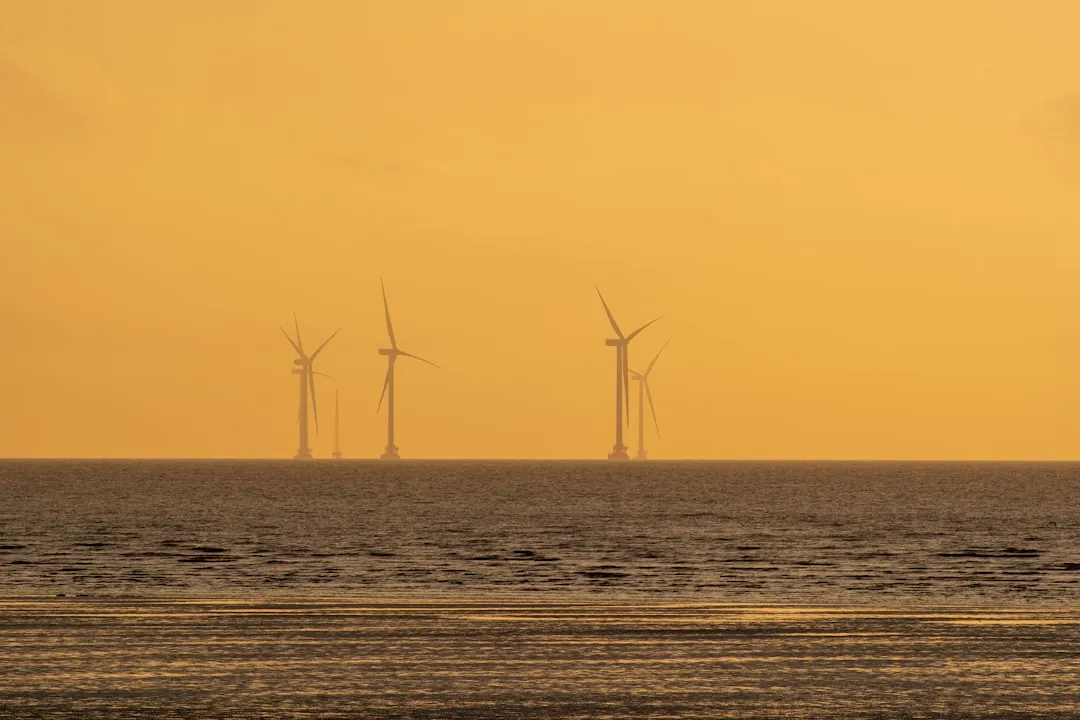
8-Ton Texas Tuff Rock Bags staged on deck for offshore wind cable-protection installation.

Cable & Scour Protection for Offshore Wind

Texas Tuff Rock Bags protect offshore wind inter-array and export cables and armor foundation scour zones. The 8-Ton class is installable from vessel, conforms to seabed change instead of fracturing, and carries a long-term in-water design life backed by ASTM, EN, and ISO test data.

Why Texas Tuff Rock Bags

Why Offshore Wind Specifiers Choose Texas Tuff Rock Bags

Offshore wind cable protection is a high-spec, high-consequence problem: an exposed or free-spanning cable is a repair cost measured in vessel days and lost generation. The conventional armor options each have limits offshore. Loose rock berms placed by fall pipe demand precise dynamic positioning and still migrate on a mobile seabed. Concrete mattresses are rigid, crane- and diver-intensive, and undermine when the bed moves beneath them. Texas Tuff Rock Bags give cable-protection and foundation engineers a flexible, discrete armor unit: an 8-Ton virgin-polyester mesh bag filled with stone that can be lowered and placed from a vessel, conforms to seabed change rather than fracturing under it, and stays where it is placed through tidal and storm loading. The mesh is a raschel weave that will not unravel if a strand is cut, with 3-ply rope reinforcement at the lifting points. Independent ASTM, EN, and ISO testing documents the strength and long-term in-water service life that subsea armor has to guarantee.
Use cases

Offshore Wind Use Cases

Three subsea use cases — same 8-Ton bag, different placement pattern around the asset.
Inter-Array & Export Cable Protection

Inter-Array & Export Cable Protection

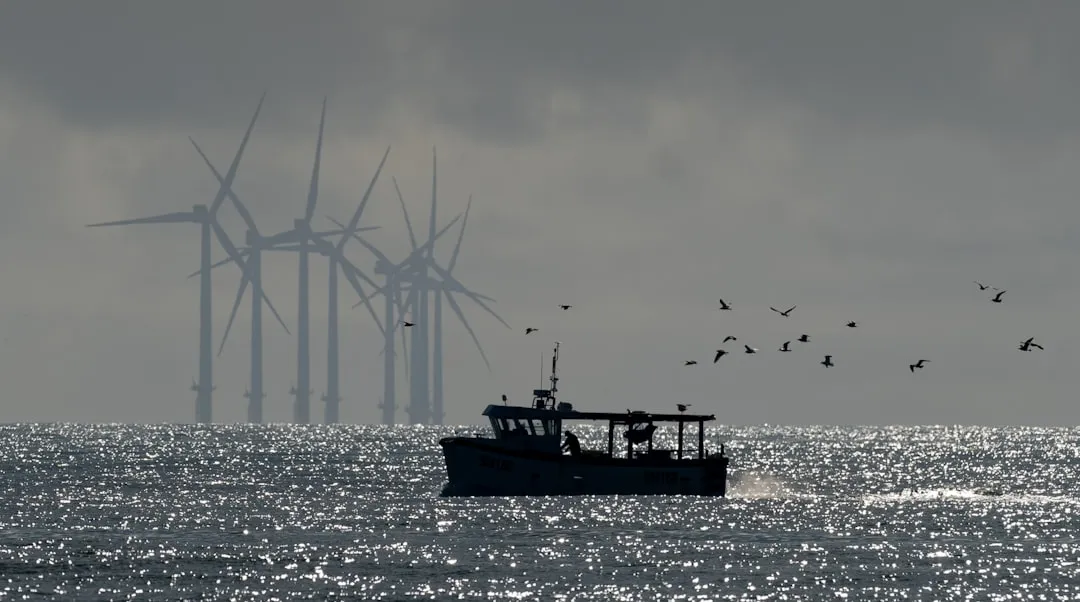
Place Texas Tuff Rock Bags over and alongside inter-array and export cables to provide stable, conformable cover where burial depth is insufficient, at cable landings, and across hard or mobile seabed. The flexible units settle with the bed and resist the free-spanning that drives cable fatigue.

Learn more
Foundation Scour Protection

Foundation Scour Protection

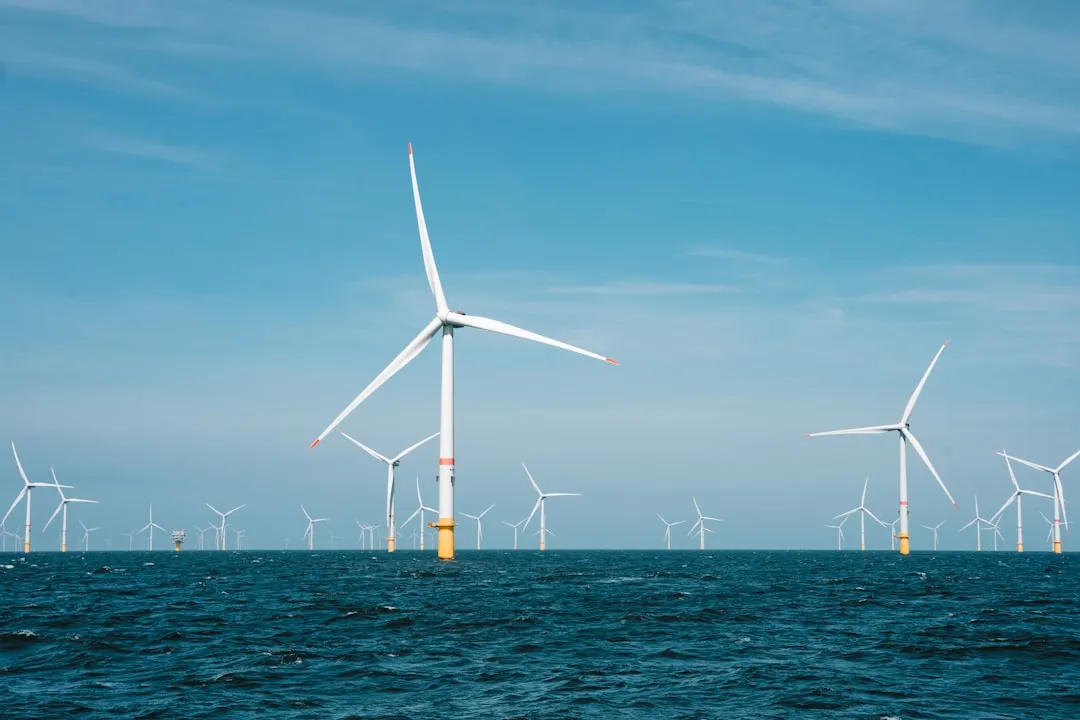
Armor the scour zone around monopile, jacket, and gravity-base foundations with stacked Texas Tuff Rock Bags. The conformable mesh fills the developing scour hole and settles with it, rather than undermining like a rigid mattress as the bed mobilizes around the foundation.

Cable-Crossing & Transition Protection

Cable-Crossing & Transition Protection

Protect cable crossings, pipeline-to-cable transitions, and shore-approach landfalls where existing infrastructure or changing bathymetry rules out burial. Bags provide a discrete, removable armor layer that can be added to or relocated as the field develops.

Engineering

How Texas Tuff Rock Bags Perform Under Load

Decades
In-water design life
~30%
Fewer microplastics
3×
ASTM/ISO standards
Texas Tuff Rock Bags are built from virgin polyester mesh — not recycled — because virgin polyester retains more strength under thermo-mechanical stress and emits roughly 30% fewer microplastics under ISO 4484-1 testing than recycled alternatives. Independent laboratory testing certifies the material at a long-term service life in water (EN 12447 hydrolysis resistance) and approximately 30 years of UV resistance above the waterline (EN 12224). The mesh is a raschel weave, which prevents unraveling if a single strand is cut; a 3-ply polyester rope reinforces lifting points and the perimeter. ASTM/ISO tensile, puncture, and tear data document the bag's in-place strength under the impact loads of armor-stone placement and the cyclic loads of moving water.
Sizing

The 8-Ton Class for Subsea Work

The 8-Ton Texas Tuff Rock Bag is the primary unit for offshore wind — sized for vessel handling, design-velocity stability, and the unit weight subsea armor requires.

Primary unit
8-Ton Rock Bag
Volume
6.0 m³
Diameter
3.0 m
Mesh
50 mm
Grouped current resistance
19.4 ft/s

Reference the 4-Ton for shallower onshore crossings and the Texas Tuff Rock Log for linear runs.

In the field

Vessel Deployment & Placement

Offshore placement uses the lifting infrastructure already on a construction or cable-lay support vessel. Bags are filled onshore or on deck inside a production frame, staged on the working deck, and lowered to the seabed by crane or A-frame with the lift taken at the neck ring. Placement is guided by ROV or survey to position units over the cable corridor or around the foundation scour zone to the design pattern. Because each bag is a discrete unit rather than a continuous mattress, the spread can be built up in layers, gaps can be infilled on a return pass, and units can be added as monitoring data comes back from the field. The flexible mesh conforms to the existing bed profile, so placement does not require the graded, prepared subgrade that rigid mattress systems depend on. Project-specific deployment methodology is developed with your marine contractor and offshore engineer.
How it compares

Offshore Comparison: Rock Bags vs. Rock Berm & Concrete Mattress

Texas Tuff Rock Bags combine the conformability of loose rock with the placement control of a discrete unit — avoiding the migration risk of fall-pipe berms and the undermining and rigidity of concrete mattresses.

Read the full product comparison
FAQ

Offshore Wind FAQ

Can Texas Tuff Rock Bags be installed from a vessel?
Yes. The 8-Ton class is filled onshore or on deck, staged, and lowered to the seabed by crane or A-frame with ROV or survey-guided placement. Project-specific deployment methodology is developed with your marine contractor and offshore engineer.
How do rock bags compare to concrete mattresses for cable protection?
Concrete mattresses are rigid and undermine as the seabed mobilizes; they need divers or precise crane work and a prepared bed. Rock bags are discrete, conformable units that settle with the bed, can be infilled or added to over time, and do not require a graded subgrade.
What is the design life of the bags in a subsea environment?
Independent testing certifies a long-term in-water service life (EN 12447 hydrolysis resistance), with ASTM tensile, puncture, and tear data documenting in-place strength. Full test data is available on request.
Which size is used for offshore wind?
The 8-Ton bag is the primary unit for offshore wind cable protection and foundation scour, sized for vessel handling and design-velocity stability. Our team confirms sizing against your seabed conditions and design loads.
Do the bags release microplastics into the marine environment?
All polyester products release some microfibers. Texas Tuff Rock Bags use virgin polyester — not recycled — which emits roughly 30% fewer microplastics under ISO 4484-1 testing and retains more strength under load. See the microplastics research summary for the underlying data.
See all FAQs

Talk to an Offshore Wind Specifier

Tell us about your cable-protection or foundation-scour scope — water depth, seabed conditions, design velocity, and timeline. Our engineering team responds within one business day with sizing, deployment notes, lead time, and pricing.